Demineralised Water
Description
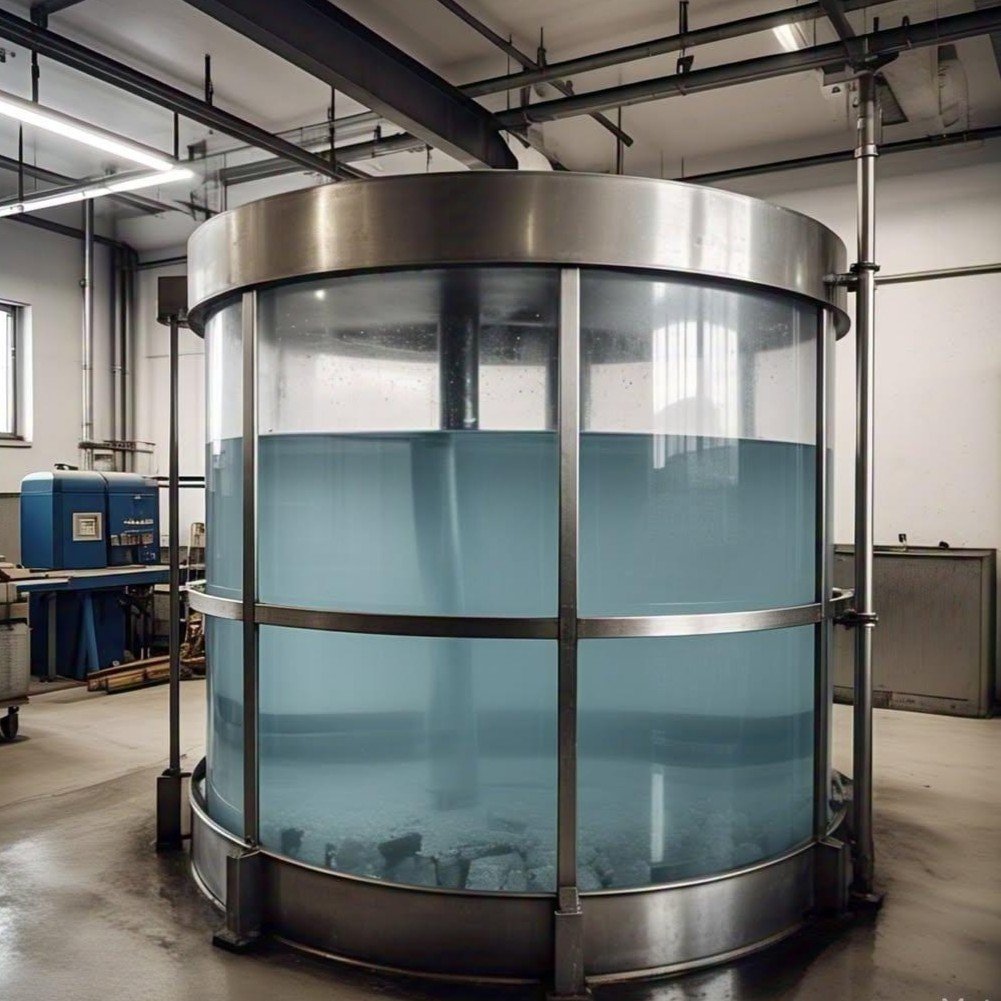
Demineralised water (DM water) is water that has been purified by removing dissolved mineral salts and impurities. It is a crucial component in various industrial applications, including hydrogen production, where high-purity water is required for electrolysis.
Purpose
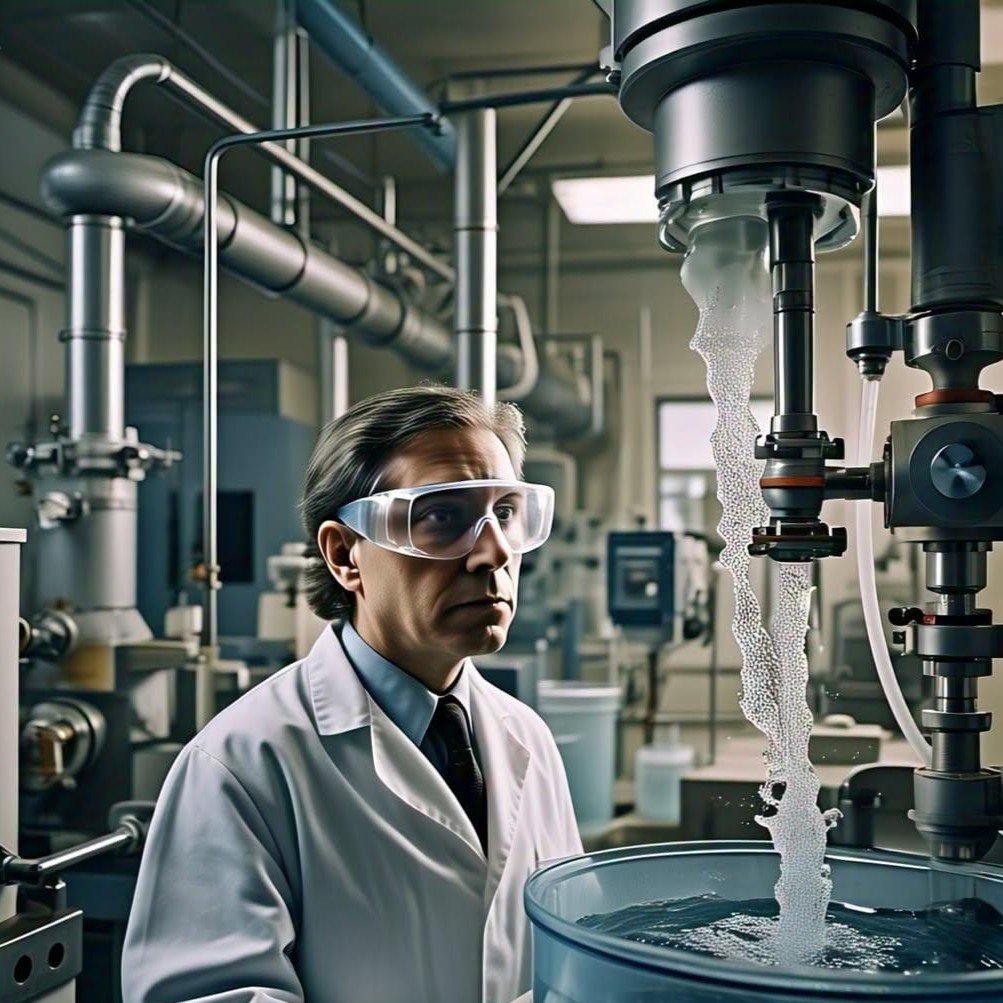
The primary purpose of demineralised water is to serve as a clean and impurity-free medium for industrial and energy applications. In the green hydrogen industry, DM water is essential for efficient electrolysis, preventing scaling and corrosion in equipment, and ensuring long-term operational efficiency.
Technical Specifications
| Parameter | Value |
|---|---|
| Purity Level | 99.9% |
| Conductivity | < 1 μS/cm |
| pH Range | 6.5 - 7.5 |
| Total Dissolved Solids (TDS) | < 10 ppm |
| Ion Removal Efficiency | 99.5% |
| Storage Conditions | Non-reactive, contamination-free containers |
Uses
- Hydrogen Electrolysis: DM water is used as feedwater in electrolyzers to produce green hydrogen with high efficiency.
- Cooling Systems: Used in cooling circuits of power plants and hydrogen production units to prevent scaling and corrosion.
- Chemical Processing: Used as a solvent or reactant in hydrogen and other industrial chemical processes.
- Pharmaceutical & Electronics: Required in high-purity applications like pharmaceutical production and semiconductor manufacturing.
How it Works
Water Pre-Treatment: Source water undergoes filtration to remove physical impurities.
Ion Exchange Process: Water passes through ion exchange resins to remove dissolved salts and minerals.
Reverse Osmosis (RO): High-pressure filtration further purifies the water by removing microscopic impurities.
Polishing Stage: Mixed-bed ion exchange resins or electrodeionization (EDI) are used to achieve ultra-pure water.
Storage & Distribution: The purified water is stored in contamination-free tanks and supplied to required industrial processes.